The Role of Technology in Building a Sustainable World

An important question today is how technology can help in building a sustainable world. A sustainable world can be defined as “where human needs would be met without chronic harm to the environment and without sacrificing the ability of future generations to meet their needs.”
Context of Automation

To build a sustainable society, we need to come up with alternative energy sources; hence, balancing automation and human efforts is very important. Expert guidance from corporate legal advisor, energy and sustainability legal advisor, IT and AI legal advisor is advisable to ensure adherence to laws and regulations while incorporating Artificial Intelligence (AI) in business.
Navigating Conflicts: The Realities of Directorship

A director of a company is prohibited from being involved in a situation where he may have a direct or indirect interest that conflicts, or possibly may conflict, with the interest of the company. Identifying and addressing conflict situations may require assistance from corporate legal advisors.
Stamping Out Antiquity: Discussing The Indian Stamp Bill, 2023

Stamp duty is a tax levied on instruments, bills of exchange, and promissory notes, whether executed in India or outside India, concerning a matter done or to be done in India.
Providing Personal Data: An Overview under Digital Personal Data Protection Act, 2023

The Parliament of India passed The Digital Personal Data Protection Act, 2023 (‘Act’) on August 11, 2023. The Act recognises the right of individuals to protect their personal data and the need to process such personal data. This write-up enquires into the manner in which personal data is to be shared by an individual while also discussing the manner in which entities may process this personal data.
Exercise of Intellectual Property Rights and Abuse of Dominance

Intellectual Property Rights (‘IPRs’) are rights in relation to ‘intellectual property’, whether contractual or under the statute. Intellectual property (‘IP’) refers to creations of the mind, such as inventions; literary and artistic works; designs; symbols, names and images used in commerce.[1]
Context of Automation
Automation means applying machines to tasks previously performed by humans or tasks that would be otherwise impossible. The term ‘automation’ was coined in the automobile industry in 1946 to describe the increased use of automatic devices and controls in mechanized production lines.
The Information Technology (Intermediary Guidelines and Digital Media Ethics Code) Rules, 2021: Focusing on the 2023 Amendment
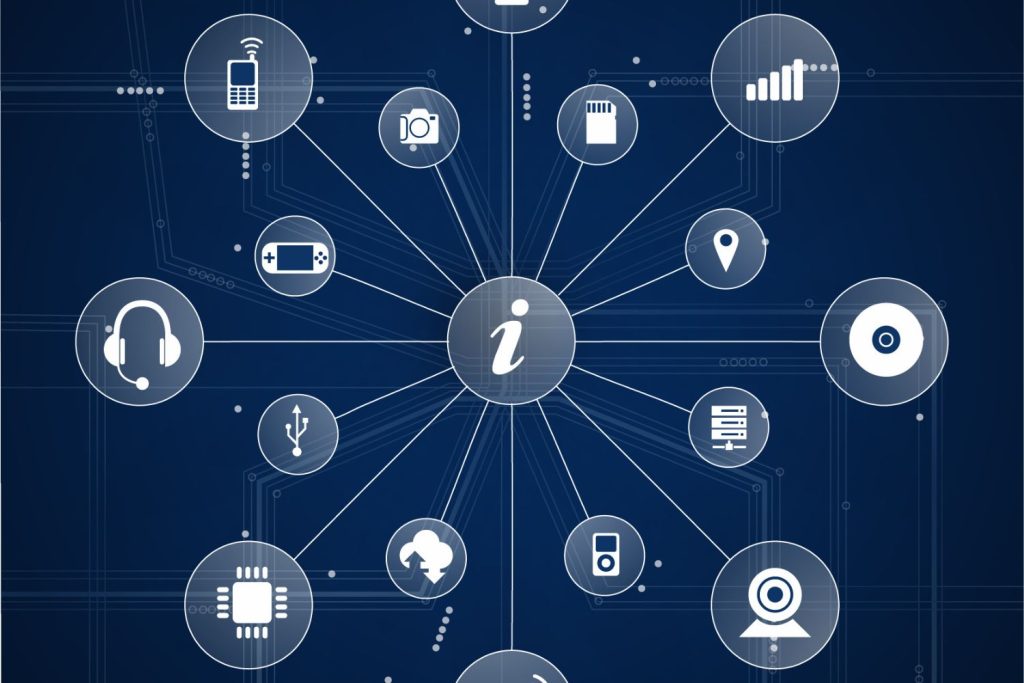
The Information Technology (Intermediary Guidelines and Digital Media Ethics Code) Rules, 2021 (‘2021 Rules’)[1] were released by the Central Government in February 2021. The 2021 Rules are framed further to the exercise of powers by the Government of India under Section 87(2) of the Information Technology Act, 2000. The 2021 Rules have now been amended vide Information Technology (Intermediary Guidelines and Digital Media Ethics Code) Amendment Rules, 2023. (‘2023 Amendment’).
Towards Regulating the Digital Market

The government appointed a 16-member committee on Digital Competition Law[1] under the Ministry of Corporate Affairs to draft the “Digital Competition Act”. To start the process, the Standing Committee on Finance presented a report[2] on “Anti-Competitive Practices by Big Tech Companies”. The report was adopted on December 19, 2022. The Committee report proposed ex-ante regulations, a new digital competition law to curb anti-competitive practices in digital markets in India.[3]
The Industrial, Digital, Clean-Energy And AI Revolutions – An Analysis
The Industrial Revolution was a period of significant technological advancements and societal changes from the late 18th to the mid-19th century. The revolution began in Britain and quickly spread to other parts of Europe, North America, and, eventually, the rest of the world. The Industrial Revolution marked a significant turning point in human history, transforming economies, societies, and people’s lives in ways that continue to influence today’s world.
The Role of Technology in Building a Sustainable World
The use of technology in generating energy through solar power, wind power, nuclear energy and other renewable energy sources are the way ahead for the future. The relationship between technology, infrastructure and energy is multidimensional. Expert guidance from energy legal advisor, infrastructure legal advisor and IT lawyer is advisable to handle projects in these areas as an integrated approach would be required which needs to flow down to transaction and documentation structuring.